My GMO Wake-Up Call: When ‘Organic’ Wasn’t Enough
I can’t pinpoint the exact moment I first heard about GMOs.
I think it was around 2009—maybe in that documentary about fish with environmental deformities. One-eyed fish and mutated creatures because of what we were doing to the environment. GMOs were mentioned, but honestly, it didn’t stick with me then. It felt like something happening “out there” in labs and industrial farms, not on my dinner plate.
My real GMO awakening happened in the grocery store.
I’d been buying organic for years by that point. I felt good about my choices—organic produce, organic grains, organic everything I could afford. I thought I had it figured out.
Then one day, I’m walking down the aisle and suddenly I’m seeing these new labels: “Non-GMO Project Verified.” They’re stamped on products that already say “Organic.”
Wait. Hold on.
My first thought was: Can something be organic and still contain GMOs?
I stood there staring at a package of tofu. Organic tofu. With a Non-GMO label. If it’s already organic, why does it need to tell me it’s non-GMO?
I was perplexed. Vexed, honestly. And a little upset.
s buying organic not enough? What else don’t I know?
If you’re just starting to learn about hidden ingredients in your food, our guide to 10 Harmful Food Additives Hiding in Your Pantry is a great place to begin.
That sent me down an entire rabbit hole about soy, soybeans, and how deep the GMO problem really goes. We’ll save that conversation for another day. But standing in that grocery aisle, holding that package of tofu, I realized I’d been assuming organic meant GMO-free.
It usually does. But the fact that companies felt they needed both labels told me something: consumers were confused. And maybe, just maybe, there were loopholes I didn’t know about.
Want to know what I found out?
What Are GMOs and Why Should You Care?
GMO stands for Genetically Modified Organism. These are plants whose DNA has been altered in a laboratory—not through traditional breeding, but through genetic engineering. Scientists insert genes from bacteria, viruses, or other organisms into crops to give them specific traits.
This isn’t selective breeding. Your grandmother didn’t create GMOs when she saved seeds from her best tomatoes. Farmers didn’t create GMOs through centuries of cross-pollinating plants. GMOs are created in laboratories using technology that didn’t exist until the 1990s.
Here’s how it works: Scientists identify a desired trait—like resistance to weed killer or ability to produce its own pesticide. They find the gene responsible for that trait in another organism. Then they use genetic engineering techniques to insert that gene into the crop’s DNA. The result is a plant that could never occur in nature.
The food industry loves GMOs for two main reasons. First, they make farming more efficient and profitable. GMO crops can survive being sprayed with herbicides that would destroy plants in their natural state. Herbicides are chemicals designed to kill weeds. Before GMO crops, farmers had to be careful with herbicide application because these chemicals would kill crops along with the weeds. Second, some GMO crops produce their own insecticides, reducing the need for external pest control.
But here’s what concerns many health experts: over 90% of GMO crops grown in the United States are designed to be herbicide-resistant (USDA Economic Research Service, 2020). This means they’re engineered to survive being drenched in chemicals like Roundup (glyphosate). As a result, herbicide use has increased dramatically since GMO crops were introduced.
We’ve been consuming GMO foods for about 30 years. That might sound like a long time, but it’s remarkably short for understanding long-term health effects. Nobody knows what happens when you consume these genetically altered foods for decades. We’re all part of an ongoing experiment.
The Big Four GMO Crops
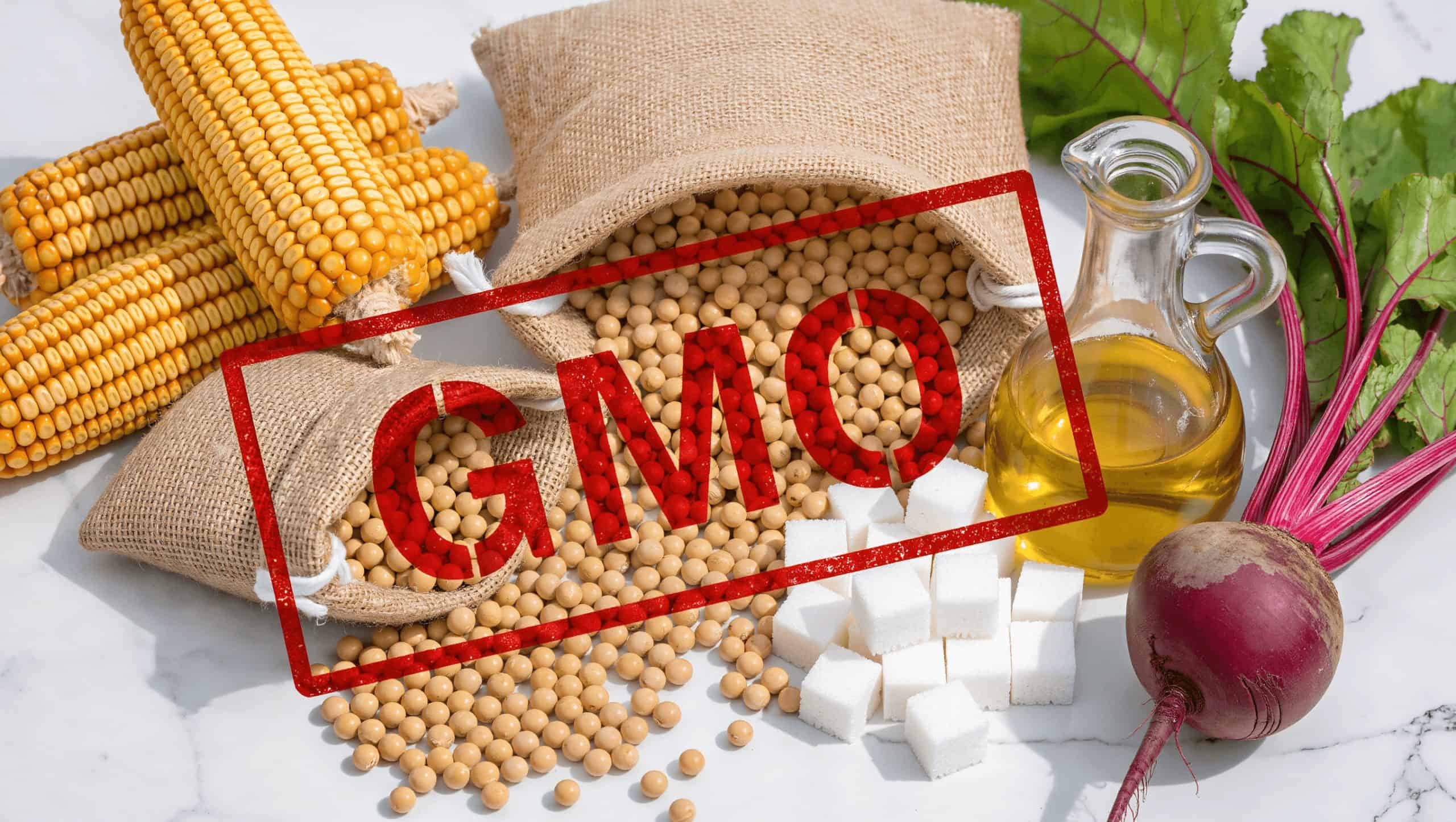
Over 90% of corn, soybeans, cotton, and canola grown in the United States are genetically modified, with individual crop rates ranging from 92% to 99% (USDA Economic Research Service, 2020). These four crops dominate the GMO landscape—and they’re hiding in more products than you realize.
1. Corn
Genetically modified corn appears in thousands of food products, often in forms you wouldn’t recognize. It sweetens your soda, thickens your soup, and fries your restaurant meals through dozens of corn-derived ingredients that fill processed foods.
Unless a corn product explicitly says “organic” or “Non-GMO Project Verified,” assume it contains GMOs.
2. Soy
Soy is everywhere—and I mean everywhere. It acts as an emulsifier in chocolate and baked goods. It appears in mayonnaise, margarine, and most “vegetable oil” blends. It bulks up protein bars and mimics meat in vegetarian products.
That tofu I mentioned earlier? If it’s not organic, it’s almost certainly GMO.
3. Canola
Canola oil dominates restaurant kitchens and processed food manufacturing because it’s cheap and has a neutral flavor. Salad dressings, fried foods, baked goods, crackers, chips—canola oil is in all of them.
Here’s something most people don’t know: canola doesn’t exist in nature. It was created in the 1970s through conventional breeding of rapeseed plants. Then scientists genetically modified it further to withstand herbicides.
4. Sugar Beets
This one surprises people. Most white sugar comes from either sugar cane or sugar beets. Sugar beet cultivation is almost entirely GMO.
If a product contains “sugar” without specifying “cane sugar,” it likely comes from GMO sugar beets. Candy, baked goods, cereals, yogurt, sauces—sugar beets are processed into the white sugar that sweetens most packaged foods.
These four crops form the foundation of the processed food industry. They’re cheap, abundant, and designed to survive industrial farming practices. And unless you’re actively avoiding them, you’re consuming GMOs daily.
Health Concerns About GMOs
Here’s where things get uncomfortable. The food industry insists GMOs are safe. Government agencies approve them. But the research tells a more complex story.
The Glyphosate Connection
Genetic modification itself crosses natural boundaries—altering what God designed to reproduce according to its kind. But there’s another layer: the chemicals that come with GMO crops.
Remember, over 90% of GMO crops are engineered to survive herbicide spraying. That means they’re soaked in chemicals like glyphosate (Roundup) throughout their growth.
The World Health Organization classified glyphosate as “probably carcinogenic to humans.” And here’s the disturbing part: glyphosate doesn’t just stay on the fields. Recent research found detectable glyphosate levels in more than 80% of urine samples from children and adults across the United States (Trasande et al., 2024).
We’re not talking about farmworkers with direct exposure. We’re talking about everyday people eating everyday food from grocery stores. The chemical is getting into our bodies through what we eat.
Studies suggest glyphosate exposure may affect thyroid hormone levels, disrupt the gut microbiome, and impact reproductive health (Trasande et al., 2024). Pregnant women and young children appear particularly vulnerable to these effects.
These chemicals can affect more than physical health. Learn how Food Additives Can Trigger ADHD Symptoms in Children.
Allergenicity Questions
When you insert foreign genes into plants, you’re creating new proteins that didn’t exist before. Some researchers raise concerns about whether these novel proteins could trigger allergic reactions in sensitive individuals (Goodman et al., 2008).
The approval process includes allergenicity testing, but critics argue these assessments don’t adequately predict long-term effects or reactions in people with multiple sensitivities.
The 30-Year Experiment
GMO foods entered the market in the mid-1990s. We’ve been consuming them for about three decades. That sounds substantial until you consider that many health conditions take 40, 50, or 60 years to develop.
We don’t have multigenerational data. We don’t know what happens when someone consumes GMO foods from birth through old age. We don’t know the cumulative effects of eating multiple GMO ingredients in combination, multiple times daily, for an entire lifetime.
The food industry calls this proof of safety. I call it an ongoing experiment where we’re all test subjects—whether we consented or not.
What About Organic Certification?
This brings me back to that grocery store moment with the tofu. Organic certification prohibits GMOs. By law, organic products cannot contain genetically modified ingredients. So technically, if something is certified organic, it should be GMO-free.
But here’s the complication: cross-contamination happens. GMO pollen can drift from neighboring farms. GMO seeds can accidentally mix with non-GMO seeds during processing. The organic standards allow for unintentional trace amounts of contamination.
That’s why some companies add both “Organic” and “Non-GMO Project Verified” labels. The Non-GMO certification includes additional testing to verify GMO content stays below their threshold. It’s an extra layer of assurance for consumers who want to avoid GMOs completely.
Standing in that aisle years ago, I didn’t understand why both labels were necessary. Now I do.
GMO Foods List: What to Avoid at the Grocery Store
Here’s the practical part: which foods actually have them?
This list covers the most common GMO-containing products. If an item doesn’t say “organic” or “Non-GMO Project Verified,” assume it contains GMOs when it includes these ingredients.
Corn-Based Products
-
Breakfast cereals
-
Tortillas and tortilla chips
-
Corn chips and popcorn
-
Cornmeal and corn flour
-
Polenta and grits
-
High fructose corn syrup (in sodas, ketchup, candy)
-
Corn syrup and corn syrup solids
-
Cornstarch (in baking mixes, soups, sauces)
-
Corn oil
-
Dextrose and maltodextrin
-
Modified food starch (often corn-derived)
Soy-Based Products
-
Soy sauce and tamari
-
Tofu and tempeh
-
Edamame
-
Soy milk and soy yogurt
-
Soybean oil (in most vegetable oil blends)
-
Soy lecithin (in chocolate, baked goods, supplements)
-
Soy protein isolate (in protein bars, veggie burgers)
-
Textured vegetable protein (TVP)
-
Hydrolyzed soy protein
Canola Products
-
Canola oil
-
Margarine and butter substitutes
-
Mayonnaise
-
Salad dressings
-
Fried foods at restaurants
-
Most baked goods and crackers
Sugar Products
-
White sugar (unless labeled “cane sugar”)
-
Powdered sugar
-
Brown sugar (often white sugar with molasses)
-
Candy and chocolate
-
Baked goods and cookies
-
Cereals
-
Flavored yogurts
-
Sauces and condiments with sugar
Other Common GMO Ingredients
-
Papaya (Hawaiian papaya is mostly GMO)
-
Yellow squash and zucchini (some varieties)
-
Aspartame (artificial sweetener made from GMO bacteria)
-
Vegetable oil (usually soy, corn, or canola blend)
-
Xanthan gum (often GMO corn-derived)
The pattern becomes clear: processed foods are where GMOs hide. The more ingredients a product has, the more likely it contains GMOs.
Manufacturers hide more than just GMOs in processed foods. Discover what’s lurking behind vague labels in The Truth About “Natural Flavors” on Food Labels.
How to Spot GMOs on Food Labels
Reading labels becomes easier once you know what you’re looking for. The United States doesn’t require GMO labeling on most products, which makes this harder than it should be. But there are strategies that work.
Examine Ingredient Lists
When you’re examining a product, read the ingredients carefully. Look for these GMO red flags:
-
Corn (any form: syrup, starch, oil, meal)
-
Soy (any form: lecithin, protein, oil)
-
Canola oil or rapeseed oil
-
Sugar (unless it specifies “cane sugar”)
-
Vegetable oil (usually soy, corn, or canola blend)
-
Cottonseed oil
-
Modified food starch
-
Xanthan gum
If you see these ingredients and the product isn’t labeled organic or Non-GMO, it likely contains GMOs.
Understand PLU Codes on Produce
Those little stickers on fruits and vegetables contain codes that tell you how the produce was grown:
-
4-digit code starting with 3 or 4: Conventionally grown (possibly GMO)
-
5-digit code starting with 9: Organically grown (non-GMO)
-
5-digit code starting with 8: Genetically modified (rarely used)
The 8-prefix code exists but producers don’t use it because they don’t want to advertise GMO products. Most genetically modified produce carries regular 4-digit codes, making it indistinguishable from conventional produce. Your safest bet? Choose organic produce (9-prefix) for items like corn, papaya, and squash.
Your GMO-Free Shopping Strategy
Avoiding GMOs doesn’t mean you need to overhaul your entire kitchen overnight or spend twice as much on groceries. It means making strategic choices that fit your budget and lifestyle.
Look for These Labels
USDA Organic: By law, organic certification prohibits GMOs. If a product displays the USDA Organic seal, it shouldn’t contain genetically modified ingredients.
Non-GMO Project Verified: This butterfly logo means the product has been independently tested and verified to meet strict GMO-free standards.
Made with Organic Ingredients: Products labeled “made with organic” must contain at least 70% organic ingredients. The remaining 30% could include GMOs. Check the ingredient list carefully.
Start with the Big Four
Focus on eliminating GMO versions of corn, soy, canola, and sugar. When you remove these, you’ve eliminated the majority of GMO exposure.
Switch to organic versions of:
-
Corn products (tortillas, chips, popcorn)
-
Soy products (tofu, tempeh, soy sauce)
-
Cooking oils (olive or avocado oil instead of canola and vegetable oil)
-
Products with cane sugar instead of just “sugar”
Shop the Perimeter
Whole foods around the grocery store’s outer edges contain fewer GMOs than processed foods in the center aisles. Fresh vegetables, fruits, and proteins require fewer ingredients—which means less chance of hidden GMOs.
Use Technology
Download the NutraDetective app before your next shopping trip. Scan products while you shop to identify GMO ingredients instantly. The app flags corn, soy, canola, and sugar-based ingredients, giving you clear answers without deciphering labels.
Cook from Scratch
The more you cook with whole ingredients, the less you rely on processed foods hiding GMO ingredients. Making your own salad dressing eliminates GMO soybean oil. Cooking dried beans instead of buying canned eliminates concerns about GMO corn-derived can linings.
Learn the Framework
The Eden Health Guide explores GMO avoidance through Pillar 1: Seed Purity—the principle that food should remain according to its kind, as God designed. This framework helps you evaluate not just GMOs, but all food choices through biblical principles. Available free at NutraDetective.com.
Learn more about our mission for food transparency in Why We Built NutraDetective: A Food Scanner App for Ingredient Analysis.
Take the First Step
Start with one swap this week. Maybe it’s switching from vegetable oil to olive oil. Maybe it’s buying organic corn tortillas. Maybe it’s scanning five products in your pantry with the NutraDetective app to see what you’re really eating.
You don’t need to be perfect. You just need to start. Now you know what GMOs are, where they hide, and how to avoid them. The next time you’re standing in that aisle, you won’t be confused. You’ll know exactly what you’re looking for.
References
Goodman, R. E., Vieths, S., Sampson, H. A., Hill, D., Ebisawa, M., Taylor, S. L., & van Ree, R. (2008). Allergenicity assessment of genetically modified crops—What makes sense? Nature Biotechnology, 26(1), 73-81. https://doi.org/10.1038/nbt1343
Trasande, L., Aldana, C. C., Hahn-Holbrook, J., Gursky, H., Sun, Y., & Ghassabian, A. (2024). Glyphosate exposure and maternal and fetal thyroid hormone levels: The role of the gut microbiome. Pediatrics, 153(4), e2023064637. https://doi.org/10.1542/peds.2023-064637
USDA Economic Research Service. (2020). Recent trends in GE adoption. U.S. Department of Agriculture. https://www.ers.usda.gov/data-products/adoption-of-genetically-engineered-crops-in-the-us/recent-trends-in-ge-adoption
Frequently Asked Questions
A. GMO stands for Genetically Modified Organism. These are plants whose DNA has been altered in a laboratory using genetic engineering—not traditional breeding. Scientists insert genes from bacteria, viruses, or other organisms into crops to give them traits like herbicide resistance or pest resistance.
A. The Big Four GMO crops are corn, soybeans, canola, and sugar beets. Over 90% of these crops grown in the United States are genetically modified. They form the foundation of processed foods and hide in thousands of products under various ingredient names.
A. Yes, USDA Organic certification prohibits GMOs by law. However, cross-contamination can occur from neighboring farms or during processing. Some companies add both Organic and Non-GMO Project Verified labels for extra assurance, as the Non-GMO certification includes additional testing.
A. Look for corn, soy, canola, vegetable oil, and sugar (not labeled “cane sugar”) in ingredient lists—these are likely GMO. Check for USDA Organic or Non-GMO Project Verified labels. On produce, 5-digit PLU codes starting with 9 indicate organic (non-GMO), while 4-digit codes starting with 3 or 4 may be GMO.
A. Glyphosate is the active ingredient in Roundup herbicide. Over 90% of GMO crops are engineered to survive glyphosate spraying, meaning they’re drenched in this chemical throughout growth. The World Health Organization classified glyphosate as “probably carcinogenic to humans,” and studies found it in over 80% of Americans’ urine samples.
A. The long-term safety of GMOs remains uncertain. We’ve only been consuming them for about 30 years—too short to understand multigenerational effects. There are no long-term human studies, and we don’t know the cumulative effects of eating multiple GMO ingredients daily for an entire lifetime.
A. Focus on eliminating the Big Four: switch to organic corn products, organic soy products, olive or avocado oil instead of canola/vegetable oil, and products with cane sugar instead of just “sugar.” These four swaps eliminate the majority of GMO exposure without overhauling your entire kitchen.